Anyone who has ever been involved in the planning of public transport will know that it is a minefield from start to finish.
One very famous quotation is "if it ain't broke, don't fix it" but as the world of transport continues to battle with the car, we are forced to look at new and innovative ways to improve our offering and also serve areas which are either new estates or to divert around a problematic area whether that be social or traffic.
Recently, the Sheffield Bus Partnership as good as ripped up the timetables and routes and started again. These were consulted to the good people of the city and the responses were overwhelming and also very upset at the PTE's plans who would "make a mess of their network".
The start of November saw the "revised" version hit the city's streets and just a few weeks into the new network, things don't seem to be getting any better with the local newspaper, Sheffield Star being full of letters, emails and editorial commenting on the state of the new bus services.

It was to be an improvement on the old setup with new numbers brought in and the big companies all coordinating to provide the best possible service. However the only thing that it has united is its passengers ... all getting together to social media and the local press and condemning what has to be one of the worst reorganisations of a transport network that the city has ever seen.
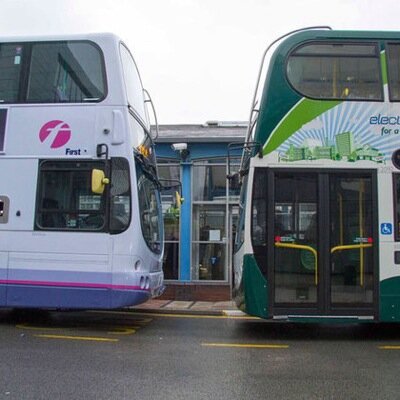
TAS is a consultancy who were drafted into review and implement the changes with First, Stagecoach, TM Travel and others all merging together with cross-company ticketing and a general Mary Poppins feel to travelling by bus. It's actually more Marilyn Manson.
Maybe not on such a grand scale, but all bus operators have in the past tried to reinvent routes and retimed services and it has sometimes failed. The question is though, how do you deal with it when it has gone wrong and also how long do you give it until you have to say, "it's great on paper, dreadful in reality".
This is the dilemma at the moment in Sheffield. Teething problems with any change follow and you have to be respectful to that before making the final call of going back to the drawing board. The worry is that SYPTE have used a consultancy and many of those people do not actually use the buses. In any good company, the key is your front-line staff. Their views are priceless and I suspect these people are the ones who haven't had the opportunity to say and suggest what they think needs to be done to the Sheffield network. Drivers and controllers are so valuable to a transport business and it's sad to note that this gets overlooked for a consultancy. Bad move.
In reality, nothing can change until around February at the earliest, not least to register any changes so you would expect that Sheffield has to put up with their new wonderful bus services until at least the summer of next year. I'm sure the big boys at First and Stagecoach are delighted with the exposure they are receiving from something that for a change isn't actually their fault.

In my opinion, it's a case of waiting another few weeks and try and iron out some of the recurring problems and if this is still the same after six weeks of running then we have to go back to that drawing board (or SYPTE in this case) and try again.
Although the next time they try again, talk to the people that make it happen every day. They are the most useful tool you have.
Comment from the world of buses, trains, planes and anything else that takes my fancy!
Showing posts with label TM Travel. Show all posts
Wednesday, 18 November 2015
At what point is it prudent to say we've got it wrong?
Labels:
buses,
First,
Sheffield,
Sheffield Bus Partnership,
Stagecoach,
SYPTE,
TM Travel
Saturday, 14 November 2015
Bus number plates - have TfL got this right?
Public transport vehicles age very differently to that of the car. It is rare to get a bog standard Renault that's received a new engine, all new components and of course a mid-life refurbishment and internal refresh. A 2001 Renault Megane convertible generally looks like it's from 2001.
Trains are blessed with the fact that apart from the enthusiast fraternity, the age of a unit or set is pretty much hidden by repainting, high quality refurbishments and can fool almost anyone into believing it is a new train. Take the Class 319s which were hard at work with Thameslink from the late '80s which have recently found work in the North West where electrification is apace.
Following refurbishment and its shoes removed (they will only require a pantograph in their new life) they appear to be a completely new train and for the people who have suffered some awful trains from Northern Rail, they are magnificent compared to the old order.
But you wouldn't think it. A new livery plus a high quality refurbishment has resulted in these buses hiding their age ... apart from the number plate (FJ03 VVR in this case).
Transport for London and their Borismasters all have Northern Ireland-style private plates (LTZ 1017 featured in yesterday's blog) so you would have to do some serious digging to find its age. The average passenger wouldn't necessarily be interested but it is worth noting that a quick look at the registration will automatically make some customers view this and make assumptions before joining.
If it was me, I would replace every bus in my fleet that has been upgraded and bang on a private plate to hide this piece of information. It's actually not that relevant on a bus as it is the ongoing refurbishments and refresh programmes that can keep vehicles looking like new.
It's an easy and quick way to encourage bus travel by keeping your fleet clean, fresh and modern. The number plate detracts from that. Come on DVLA, let's have buses exempt from the usual number plate and have special ones instead.
Just out of interest, a certain bus group is now running vehicles just a few years old which look awful. Panels are marked or replaced but still in white (or worse, base aluminium) and the surprise is reversed when the plate shows '62' and it is in this state already.
Who said an old bird can't look like new?!
Trains are blessed with the fact that apart from the enthusiast fraternity, the age of a unit or set is pretty much hidden by repainting, high quality refurbishments and can fool almost anyone into believing it is a new train. Take the Class 319s which were hard at work with Thameslink from the late '80s which have recently found work in the North West where electrification is apace.
Following refurbishment and its shoes removed (they will only require a pantograph in their new life) they appear to be a completely new train and for the people who have suffered some awful trains from Northern Rail, they are magnificent compared to the old order.
So what has this got to do with buses I hear you shout? Well most passengers thought that these were new trains. Hard to believe when you're an enthusiast admittedly but customers see things differently. A view shared by many intelligent bus managers and they don't come much more switched on than the great Phil Stockley, once of Eastleigh's Velvet which sadly disappeared last year.
Phil is now at Wellglade and he has done wonders for TM Travel who are thinking outside of the box, thanks to Phil and are upgrading their vehicles to a standard that makes their buses look like new.
Service 218 which runs from Sheffield to Bakewell has had investment in ex-Trent Barton (the really good bus company of course!) Scanias. Coming from TB the vehicles have been looked after during their lives and are now 12 years old.
Transport for London and their Borismasters all have Northern Ireland-style private plates (LTZ 1017 featured in yesterday's blog) so you would have to do some serious digging to find its age. The average passenger wouldn't necessarily be interested but it is worth noting that a quick look at the registration will automatically make some customers view this and make assumptions before joining.
If it was me, I would replace every bus in my fleet that has been upgraded and bang on a private plate to hide this piece of information. It's actually not that relevant on a bus as it is the ongoing refurbishments and refresh programmes that can keep vehicles looking like new.
It's an easy and quick way to encourage bus travel by keeping your fleet clean, fresh and modern. The number plate detracts from that. Come on DVLA, let's have buses exempt from the usual number plate and have special ones instead.
Just out of interest, a certain bus group is now running vehicles just a few years old which look awful. Panels are marked or replaced but still in white (or worse, base aluminium) and the surprise is reversed when the plate shows '62' and it is in this state already.
Who said an old bird can't look like new?!
Subscribe to:
Posts (Atom)


.jpg)